Why Choose Greensboro?
Greensboro combines city amenities with many tree-lined residential areas. Additionally, downtown offers restaurants, entertainment, cultural attractions, and public spaces.
Several universities contribute to the city’s character and workforce. Meanwhile, continued development is bringing new housing and investment across Greensboro. City of Greensboro
Cost of Living
Housing remains more approachable than in many larger North Carolina metros. The 2020–2024 median owner-occupied home value was $244,800.
Meanwhile, median gross rent was $1,172. Therefore, movers should compare housing, utilities, transportation, and insurance when creating a budget. Census.gov
Real Estate and Housing Market
Greensboro offers single-family homes, apartments, townhomes, condominiums, and older established properties.
New housing development continues across the city. However, buyers should compare property condition, commute routes, taxes, and nearby services. City of Greensboro
Education
Guilford County Schools serves Greensboro and surrounding communities. The district operates 121 schools and serves about 68,000 students. Guilford County Schools
Families should verify school assignments before choosing a home. Additionally, attendance boundaries changed for several schools during the 2026–27 school year. Guilford County Schools
Higher education options include North Carolina A&T State University, UNC Greensboro, and several other colleges.
Healthcare Facilities
Moses H. Cone Memorial Hospital is a major Greensboro medical center. The 628-bed teaching hospital includes a Level II Trauma Center. Cone Health
Additionally, Cone Health operates specialty, outpatient, emergency, and cancer services throughout the area. Wesley Long Hospital provides another major local healthcare option. Cone Health
Recreation and Leisure
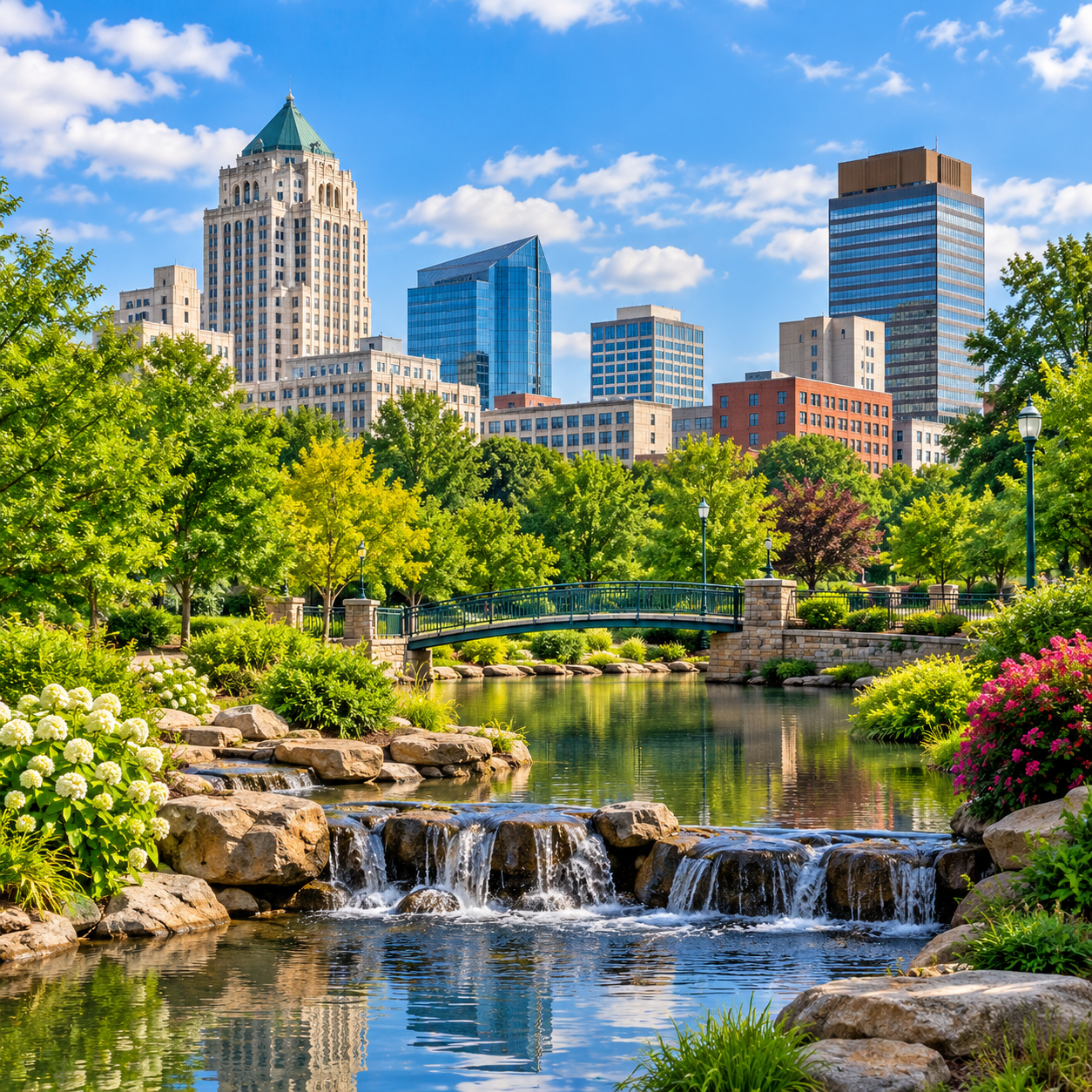
Greensboro offers parks, gardens, lakes, sports facilities, and extensive trail systems. City facilities include Country Park, LeBauer Park, Gateway Gardens, and the Greensboro Arboretum. City of Greensboro
More than 100 miles of trails support walking, hiking, and cycling. Additionally, over 30 miles are dedicated hiking trails. City of Greensboro
Dining and Shopping
Downtown Greensboro features local restaurants, cafes, shops, breweries, and entertainment. Other commercial areas provide grocery stores, shopping centers, and everyday services.
Meanwhile, the city’s tourism organization highlights more than 500 dining options and numerous locally owned shops. Visit Greensboro
Events and Festivals
Greensboro hosts concerts, festivals, sports, university events, and community celebrations throughout the year.
The North Carolina Folk Festival brings live music, food, cultural programming, and makers downtown. The 2026 festival ran September 18–20. Visit North Carolina
Additionally, Aggie FanFest accompanies North Carolina A&T’s Homecoming weekend. The city describes it as its largest managed special event. City of Greensboro
Transportation and Accessibility
The Greensboro Transit Agency operates fixed-route bus service throughout the city. Service runs seven days a week, although individual route schedules vary. City of Greensboro
Driving also remains common. Interstates 40 and 85 provide important regional connections through the Triad.
Piedmont Triad International Airport serves Greensboro and the surrounding region. In 2026, the airport promoted 14 nonstop routes. Piedmont Triad International Airport
Conclusion
Greensboro combines accessible housing, education, healthcare, parks, dining, and regional transportation.
Before relocating, compare housing costs, school assignments, commute routes, and neighborhood amenities. Overall, Greensboro offers a practical balance of city services and Piedmont living.